
Understanding the psychology behind gambling Why do we take risks
The Allure of Risk-Taking
At its core, gambling taps into the fundamental human attraction to risk and uncertainty. Many people find themselves drawn to the thrill of the unknown, which gambling offers in abundance. This allure can be traced back to our evolutionary instincts; taking risks often leads to potential rewards, whether in the form of resources or social status. The excitement generated by unpredictability can trigger adrenaline and dopamine, creating a sense of exhilaration that few experiences can match. As players explore the landscape of online gaming, they often discover platforms like https://gday9-australia.com, enhancing their excitement with various options.
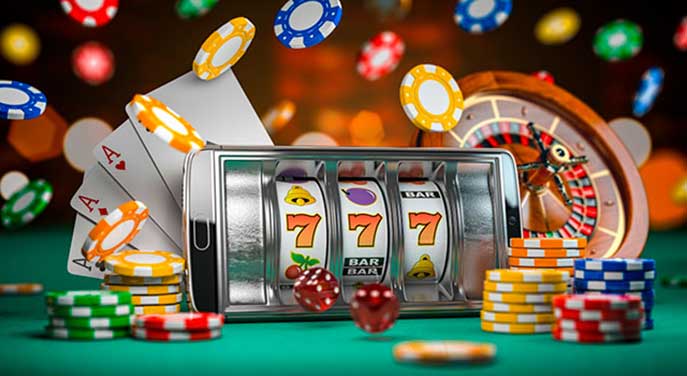
This psychological pull is amplified by the various forms of gambling available today, from traditional casinos to online gaming platforms. Each setting is designed to enhance the emotional experience, using lights, sounds, and social interactions to build a more immersive environment. This sensory stimulation can easily draw individuals into a state of heightened anticipation, where the act of betting becomes more than a simple transaction—it’s an emotional journey that captivates and engages the player.
Furthermore, understanding the psychology of risk-taking in gambling can help clarify why some individuals continue to gamble despite negative consequences. Cognitive biases, such as the illusion of control and gambler’s fallacy, often cloud judgment. These biases lead players to believe that they can influence outcomes, making them more likely to take greater risks. The combination of these psychological factors creates a complex relationship between individuals and gambling, where the desire for risk can overshadow rational decision-making.
The Role of Rewards in Gambling
One of the primary reasons individuals engage in gambling is the reward system inherent in the activity. When a player wins, the brain releases dopamine, a neurotransmitter associated with pleasure and reinforcement. This rush of excitement can create a feedback loop where the player seeks to replicate the feeling, often leading to repeated gambling behavior. The unpredictable nature of wins—where a player may experience long stretches without a win followed by a sudden jackpot—only fuels this cycle, reinforcing the gambling habit.
This reward mechanism is particularly evident in the context of slot machines and online gaming platforms. The design of these games often incorporates variable rewards, meaning that the player does not know when the next win will occur. This uncertainty can make the experience more enticing, as players may keep playing in hopes of hitting that next big win. The thrill of potentially winning, coupled with the immediate gratification of smaller wins, creates an addictive environment that can be difficult to escape.
Additionally, the social aspect of gambling can enhance the rewarding experience. Whether in a physical casino or an online setting, interactions with other players can amplify the excitement and sense of community. Players often share in the highs and lows of winning and losing, which can further entrench them in the gambling culture. These social rewards can reinforce a player’s commitment to gambling, providing not only financial incentives but also emotional and social gratification.
The Impact of Cognitive Biases
Cognitive biases play a significant role in the way individuals perceive risk and reward in gambling. The illusion of control, for instance, leads players to believe they have influence over random outcomes, such as dice rolls or card draws. This belief can encourage riskier bets, as players feel more confident in their ability to affect the outcome, despite the inherent randomness of the games. Such biases can create a false sense of security, leading to irresponsible gambling behavior.
The gambler’s fallacy is another prevalent cognitive bias that can impact decision-making in gambling. This phenomenon occurs when individuals believe that past events will influence future outcomes. For example, if a roulette wheel has landed on red several times, a player may feel that black is “due” to win, prompting them to make larger bets. This flawed reasoning can lead to significant financial losses, as players abandon rational thinking in favor of emotional impulses.
Recognizing these biases is crucial for understanding why some people struggle with gambling addiction. The interplay between cognitive distortions and emotional responses creates a challenging environment for self-regulation. Many players may find themselves caught in a cycle of chasing losses, driven by the belief that a win is just around the corner. Addressing these biases through education and awareness can be an effective strategy in promoting responsible gambling behaviors and mitigating risks.
Emotional and Social Influences
The emotional state of a player can significantly influence their gambling behavior. Factors such as stress, boredom, or loneliness may lead individuals to gamble as a form of escapism or a way to enhance their mood. In such cases, gambling becomes less about the thrill of winning and more about finding a temporary respite from life’s challenges. This emotional reliance on gambling can lead to problematic behaviors, as individuals may turn to gambling to cope with negative feelings.
Moreover, social influences can heavily impact one’s gambling choices. Friends, family, and cultural backgrounds can shape attitudes towards gambling and risk-taking. In communities where gambling is normalized or celebrated, individuals may feel pressure to participate, even if they might otherwise avoid it. The social aspect of gambling can also create a sense of belonging, making it difficult for individuals to break away from the group, even when faced with personal consequences.
Understanding these emotional and social dynamics is essential for addressing gambling-related issues. Support systems, counseling, and community education can play pivotal roles in helping individuals navigate their relationships with gambling. By fostering open conversations about the emotional aspects of gambling, society can work towards reducing stigma and encouraging responsible gambling practices that prioritize mental health and well-being.

Gday9 Casino: A Safe and Enjoyable Gambling Experience
Gday9 Casino embodies a commitment to providing a safe and enjoyable gambling experience for players. With a vast selection of over 2,000 premium games, including pokies and live dealer options, it caters to diverse preferences while maintaining a focus on player safety. The platform’s user-friendly interface and straightforward promotions eliminate hidden complexities, making it easier for players to engage without overwhelming distractions.
The casino also offers significant bonuses and rewards, such as an AU$1,000 welcome package and 100 free spins, which can enhance the gaming experience. Fast withdrawals via PayID ensure that players can enjoy their winnings without unnecessary delays. With dedicated customer support available 24/7, Gday9 Casino prioritizes player satisfaction and safety, making it an ideal choice for those seeking both excitement and peace of mind.
Ultimately, Gday9 Casino represents an environment where players can indulge in their passion for gaming while being aware of the psychological dynamics at play. By fostering responsible gambling practices and providing resources for player education, the casino promotes a healthier relationship with gambling, ensuring that the thrill of risk-taking remains enjoyable and not detrimental.