
Understanding psychological triggers in gambling behavior What makes us bet
The Nature of Gambling Addiction
Gambling addiction is a complex behavior influenced by various psychological triggers. The thrill of betting can lead to dopamine release in the brain, creating a sense of pleasure that many individuals seek out repeatedly. This cycle reinforces the behavior, making it difficult for players to resist the urge to gamble even when they know the risks involved. In examining the future of gambling, the importance of reliable resources can be highlighted, such as https://falalachocolate.com/future-trends-shaping-the-gambling-landscape-what/ which offers insights into technological advancements.

Many individuals experience a phenomenon known as loss aversion, where the fear of losing money motivates them to keep betting in hopes of recovering their losses. This can create a vicious cycle of betting that is hard to break, as the emotional highs and lows become a central part of the gambling experience.
Various psychological factors contribute to the decision to gamble. Cognitive biases, such as the illusion of control, lead individuals to believe they can influence the outcome of random events. This false sense of control can encourage more betting, as players feel empowered despite the inherent unpredictability of gambling.
Social influences also play a significant role in gambling behavior. The presence of peers or cultural attitudes toward gambling can increase an individual’s desire to participate. Many people perceive gambling as a social activity, which can further propel them into frequent betting situations.
The Role of Reward Systems
The brain’s reward system is intricately tied to gambling behavior. When individuals win, their brains release neurotransmitters such as dopamine, reinforcing the behavior and making them want to return to that feeling. This biochemical response can make gambling addictive, as the highs of winning are often more memorable than the lows of losing.
Additionally, intermittent reinforcement—a pattern where rewards are given unpredictably—can keep players engaged longer. Knowing that they might win at any moment makes it difficult for them to walk away from the game, perpetuating the cycle of betting.
The Influence of Environment
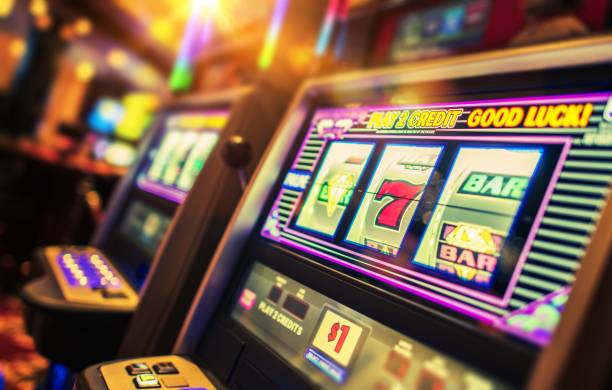
Environmental factors significantly impact gambling behavior. Casino layouts, lighting, and sound can create an immersive experience that encourages players to bet more. Many casinos design their spaces to minimize distractions and maximize excitement, which can lead to longer gambling sessions.
The accessibility of gambling platforms, especially online casinos, has further intensified this behavior. With the convenience of placing bets from home or mobile devices, individuals are often tempted to gamble more frequently, often without the usual social cues that might limit their behavior in a physical casino.
Exploring the Future of Gambling Behavior
As the gambling landscape evolves, understanding psychological triggers remains essential. Platforms like Falala Chocolate aim to shed light on future trends influencing the industry, providing insights into how technology and societal changes affect gambling behavior. The integration of virtual and augmented reality, along with the rise of cryptocurrencies, is likely to reshape how individuals engage with gambling.
By fostering informed conversations around these topics, Falala Chocolate helps users navigate the complexities of gambling in a responsible manner. This commitment to enhancing user experience ensures that players are not only entertained but also aware of the psychological factors at play in their betting behavior.
“`